The FIFA World Cup is one of the largest sporting events in the world, attracting tens of thousands of fans to stadiums and millions more to fan zones, watch parties, and surrounding entertainment districts. While most people focus on the action on the field, there is another major operation taking place behind the scenes: waste management.
A single World Cup match can generate significant amounts of trash, including food containers, beverage cups, packaging materials, promotional items, and other event-related waste. Managing this waste efficiently is essential for maintaining a positive fan experience, protecting public health, and keeping host cities clean.
Waste Collection Begins During the Event
Waste management planning starts long before fans arrive at the stadium. Event organizers work with sanitation providers to strategically place trash and recycling containers throughout venues, parking areas, fan zones, and surrounding public spaces.
During the match, cleaning crews continuously monitor high-traffic areas to prevent overflowing containers and litter accumulation. This proactive approach helps maintain a clean environment while making it easier for fans to dispose of waste responsibly.
Sorting and Transportation
Once waste is collected, it is typically transported to temporary staging areas where materials may be separated for recycling, composting, or disposal. Depending on local waste management programs, recyclable items such as aluminum cans, plastic bottles, and cardboard may be diverted from landfills.
Many host cities emphasize sustainability initiatives during major international events. These programs often encourage recycling and waste reduction efforts to minimize environmental impact.
The Role of Temporary Dumpsters
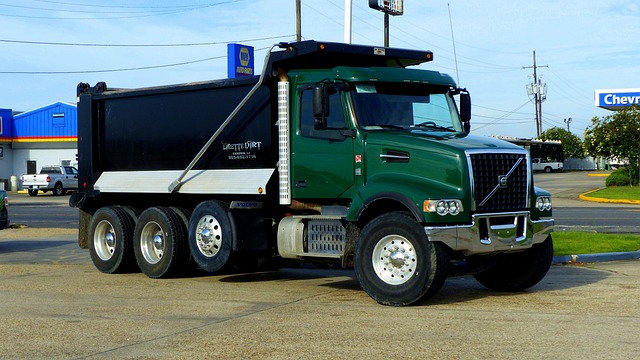
Temporary dumpsters play an important role in handling large volumes of waste generated during major sporting events. Positioned behind stadiums, near vendor areas, and at service locations, dumpsters provide centralized collection points for waste gathered throughout the venue.
Without sufficient waste storage capacity, sanitation teams could struggle to manage the large quantities of debris generated by tens of thousands of spectators in a relatively short period of time.
Dumpster rentals also help support cleanup operations after matches conclude. As fans exit stadiums and surrounding entertainment districts, waste collection teams can efficiently gather and transport debris for proper disposal or recycling.
Supporting Host City Operations
The impact of a World Cup match extends beyond the stadium itself. Restaurants, hotels, transportation hubs, fan festivals, and public gathering areas often experience increased waste generation during tournament periods.
Temporary waste management solutions help municipalities and businesses handle these increased demands while maintaining clean and welcoming environments for visitors.
Preparing for FIFA World Cup 2026
As the United States prepares to host matches during FIFA World Cup 2026, host cities are evaluating infrastructure, transportation, security, and sanitation needs. Effective waste management will be a key component of successful event operations.
From collection and recycling efforts to temporary dumpster deployment and post-event cleanup, managing event-generated waste requires careful planning and coordination. While fans remember the goals, celebrations, and unforgettable moments, efficient waste management helps ensure the tournament remains safe, clean, and enjoyable for everyone involved.
Tags:
dumpster rental Commercial DumpsterCategory:
DUMPSTER RENTAL
 Easy Rent zone
My blog is a place where I express my views, offering insights, tips, and sometimes a bit of humor. I believe in keeping things real and providing my readers with authentic, no-nonsense opinions that can help them make informed decisions.
Quick Links
© Easy Rent Zone. All Rights Reserved.